Open-Ear Earbuds for Winter Running: What to Check
A calm, evidence-limited guide for cold-weather runners comparing open-ear awareness, water-resistance claims, microphone setups, and fit with hats and glasses. The selected listings differ in stated features, not proven winter performance.
Published Updated
When open-ear design suits a winter run
The WIRED excerpt describes open earbuds as leaving the ear open to hear the world around you, and TechRadar groups open-fit and air-conduction buds under staying aware during outdoor running. Those sources state the design intent; they do not measure how much you will hear on a winter route. Treat awareness as a reason to try open-ear earbuds and check them on your own route, not as a demonstrated safety benefit.
Winter adds wet snow, hats, hoods, and glasses. The Rolling Stone snippet says it tested open-ear models for outdoor workouts, but the excerpt gives no winter results. Start with the conditions you actually run in, then check the claims a seller can document.[6][3][4]
Checks that change the choice
Wirecutter's excerpt says a well-designed pair should fit most ear shapes. That is a broad expectation, and it does not tell you how a particular clip or band will sit under a beanie or beside glasses. Ask about the contact points, try the earbuds with the headwear you use, and keep the return option open. Read any fit claim as a starting point for your own trial.
For wet weather, look for an explicit rating in the seller's specification and ask what it covers. An Amazon open-ear results page mentions waterproof options for fitness and outdoor adventures, which is a merchant search snippet rather than a test. For calls, microphone count and ENC labels describe configurations; they do not report how your voice will sound on a run. If calls matter, ask for a call sample.[2][5]
Ways a product page can mislead
An Amazon search snippet for a sports earbud combines IPX7, an ear hook, and a noise cancelling mic in one title. The snippet shows how a listing can bundle features; it does not show performance in rain, sweat, or cold. Ask what the rating covers before you rely on it.
A clip or band can look compatible with winter gear and still press against glasses arms or loosen under a hat. Wirecutter's fit standard is useful for setting expectations, not for guessing how a specific shape will feel. Try the earbuds with your hat, hood, and glasses before a long run; if they create pressure or movement, the shape is wrong for you.[1][2]
How to decide without a winter test
Start with your route and what you need to hear. No source here measures whether open-ear earbuds make a road crossing safer, so treat awareness as a design intention rather than a safety feature. Your own judgment about traffic still matters.
Then rank the claims. If wet snow is regular, a stated water-resistance rating is worth asking about, but do not buy on the rating alone. If calls matter, ask for call samples. If you wear a beanie or glasses, fit and returns come first. If your current earbuds already work under your hat and you only want more awareness, buying nothing can be the wiser choice.
Three selected listings and their trade-offs
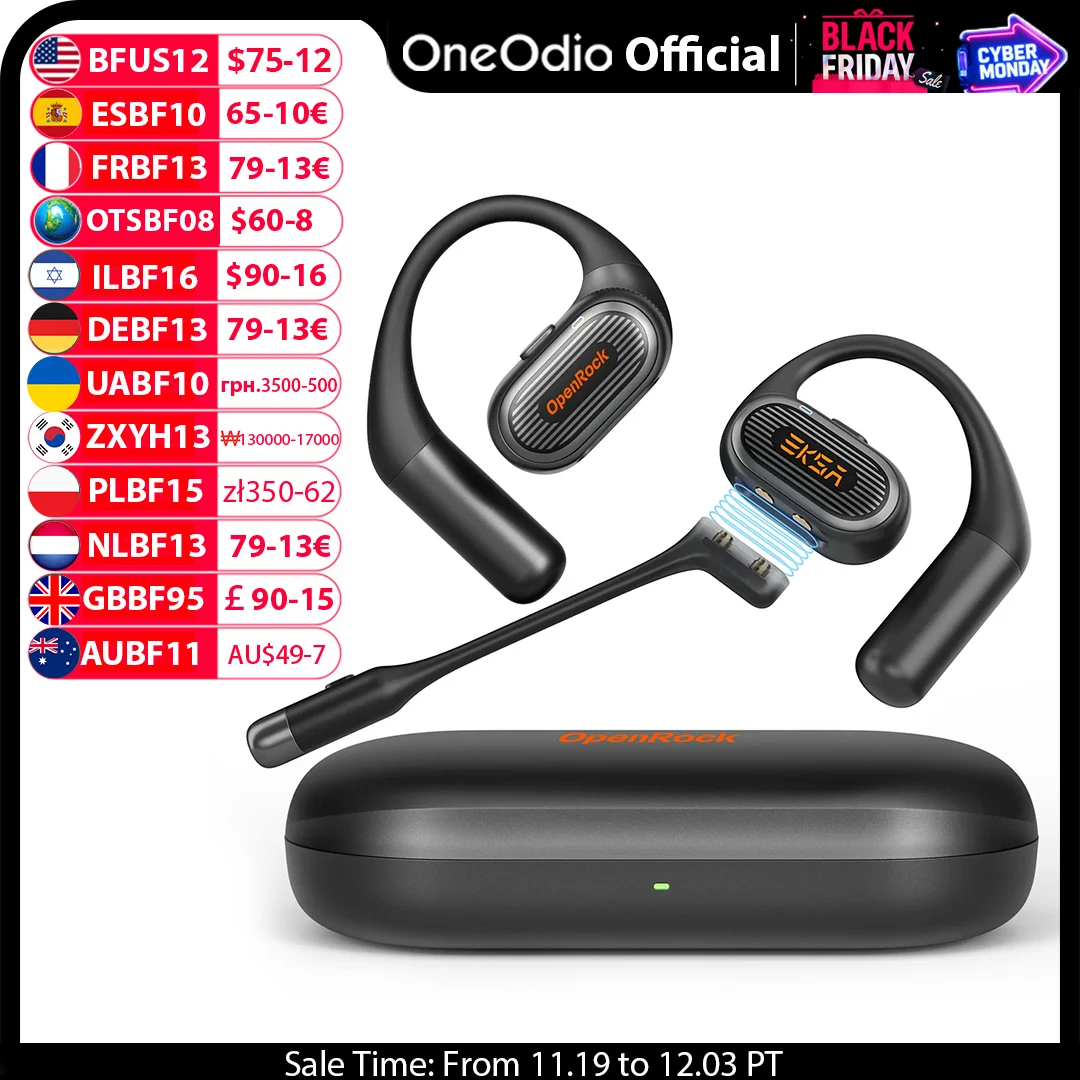
The OpenRock Link 20 title states IPX7 and an ENC microphone; the Baseus Bowie MC2 AIR title states a clip-on earring shape with four microphones and ENC; the HTC NE58 title states a lightweight open-ear sport design and stereo sound. These are seller title claims, not test results. The practical differences are what each title leaves out: the HTC gives no water or microphone wording, the Baseus gives no water rating, and none states how it fits under a hat. Use those gaps to decide which questions to ask.Shop now: OpenRock Link 20 AI Translator Bluetooth 6.0 Earphones Open Shop now: HTC Bluetooth Headset Surround Sound Hi-Fi Stereo Comfort Fi
What the evidence does not establish
The evidence here is limited to merchant listing titles and search-result summaries, not full reviews or winter field tests for the selected listings. It describes open-ear design intent and a general fit expectation. It does not measure cold-weather durability, call clarity, or fit with hats and glasses. Confirm those details with the seller.[2][3][4][6]
AliExpress
Related products
OpenRock Link 20 AI Translator Bluetooth 6.0 Earphones Open
The OpenRock title states IPX7 and an ENC microphone, so it is the listing for a runner who wants a stated water-resistance claim to question and a microphone setup to ask about. It gives you two specific call and moisture questions for the seller. The title says nothing about winter use, wind, or fit under a hat.
A title label is not a test. Ask the seller what conditions IPX7 covers before relying on it.
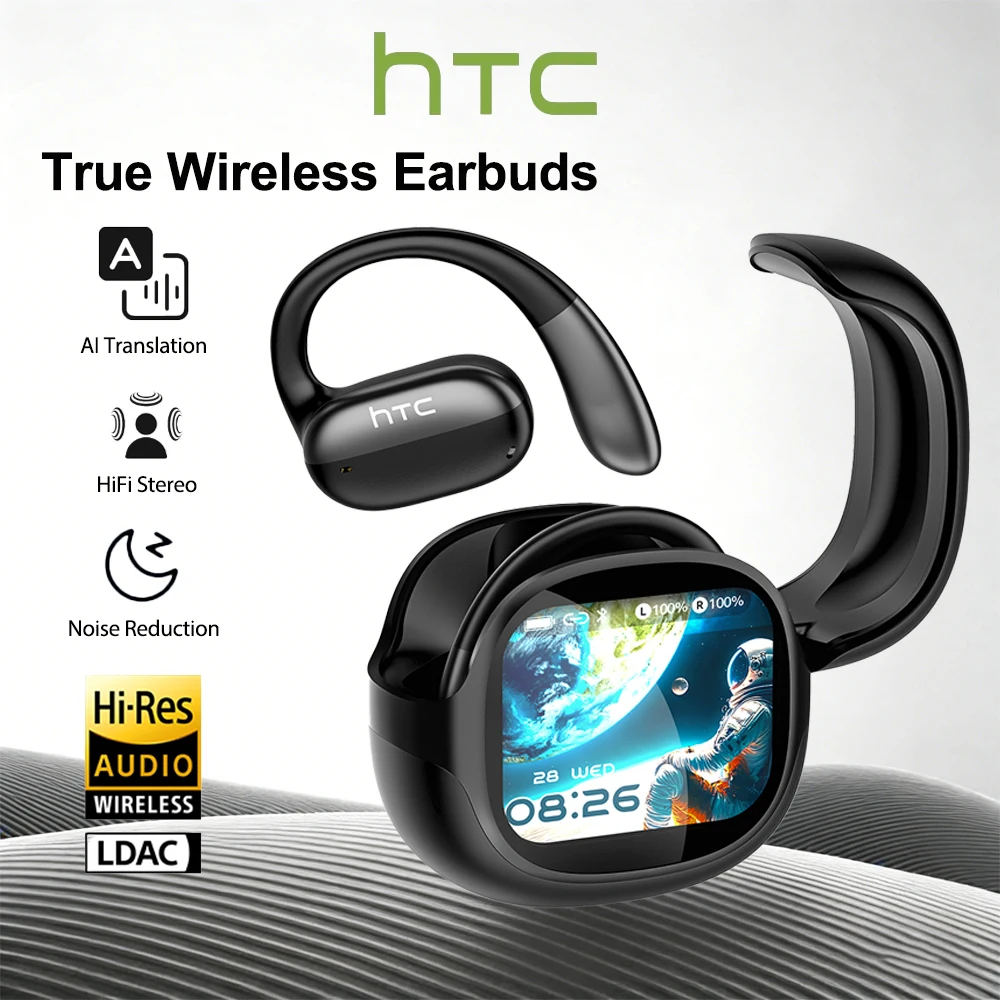
HTC Bluetooth Headset Surround Sound Hi-Fi Stereo Comfort Fi
The HTC title states a lightweight open-ear design for sport, comfort fit, and stereo sound. This is the listing to weigh if low weight and stereo sound matter more to you than a stated water rating or microphone setup. The title gives no water-resistance rating, microphone count, or fit-under-hat detail.
The title makes no water-resistance or microphone claim, so ask the seller if either matters to you. Test the fit with your winter hat before a long run.
Questions, answered
Does an IPX7 claim cover sleet and freezing temperatures?
An IPX7 label in a listing is a water-resistance claim, and the evidence here does not show what conditions it covers. The OpenRock title states IPX7 but gives no test detail, and nothing in the sources here says the rating applies to sleet or freezing temperatures. Ask the seller what conditions the label covers. If you often run in wet snow, treat the claim as unverified until the seller answers.
How should I test fit with a beanie and glasses?
Put on the hat and glasses you run in, then try the earbuds before a hard run. Check for pressure at the clip or band, interference with glasses arms, and whether the earbuds stay put when you turn your head. Wirecutter's excerpt says a well-designed pair should fit most ear shapes, but that is not a promise for your ear or your winter gear. Keep the packaging and return terms handy.[2]