Compression Packing Cubes vs Regular Cubes for Carry-Ons
Regular cubes organize a carry-on. Compression cubes press clothes smaller with an extra closure, and vacuum systems add a pump or valve routine. Compare volume, handling, and weight before buying gear your trip may not need.
Published Updated
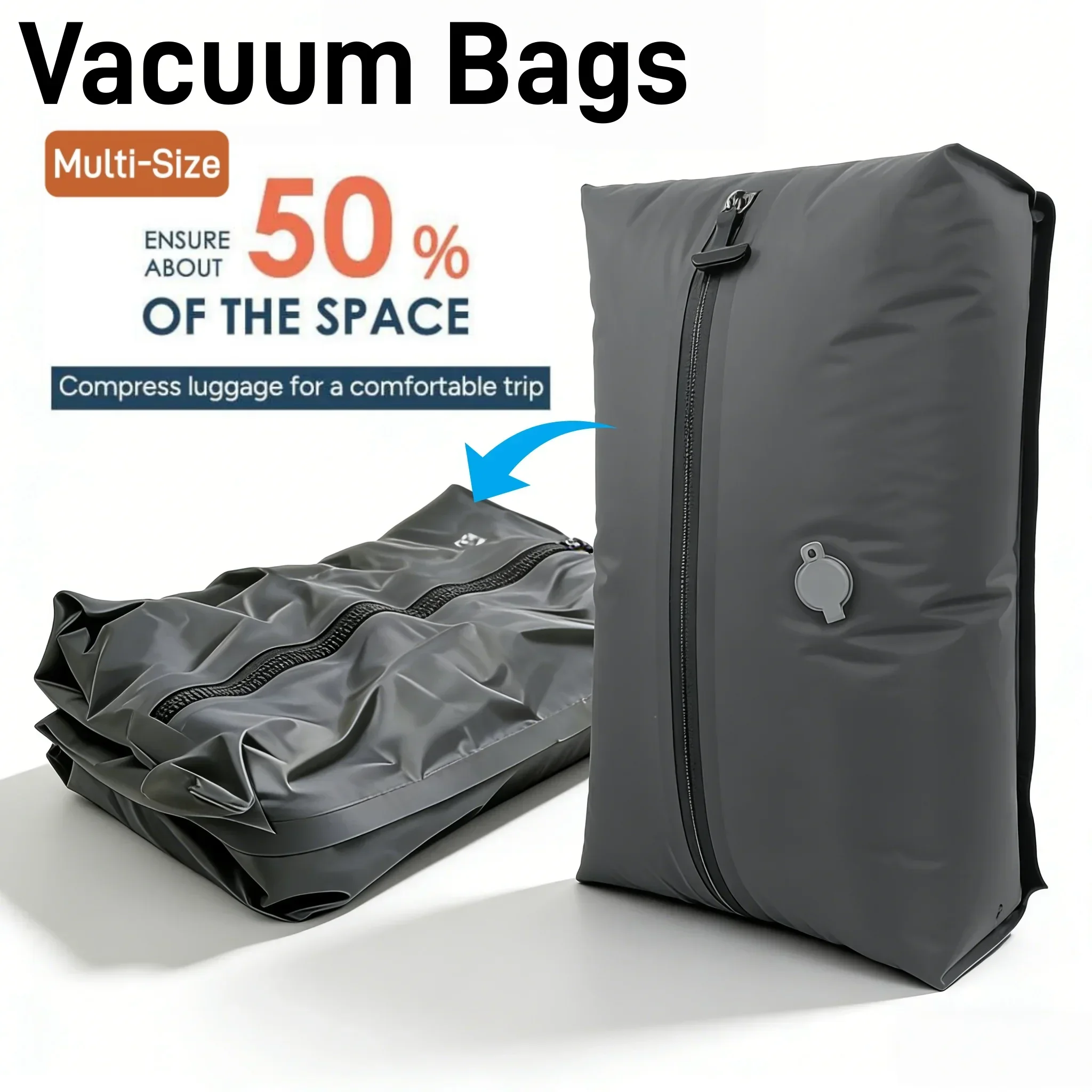
The carry-on choice: organization or volume reduction
A carry-on creates a simple test: does the bag close, and can you carry it? Regular packing cubes help organize clothing and keep garments neat in a suitcase. Compression cubes add a closure that presses the contents to save space, as a Calpak explainer describes. The choice is whether that pressing step earns its place in your packing routine.
The decision involves more than empty space. A compression system can change how you pack, how often you reopen the bag, and what hardware travels with you. It does not make clothes lighter. If your current bag closes without strain, the honest answer may be to keep using what you have.[2][5]
What to compare before choosing a cube style
Compare four things. Organization: can you find and reach clothes? Volume: does the bag need help closing around soft items? Handling: how many steps does the closure add when you pack and repack? Weight: does the system add hardware or bags that count against an airline limit? A regular cube usually wins on simplicity. A compression design may win on volume for bulky clothing. A vacuum system adds another question: what removes the air?
Check the seller's wording against your trip. Calpak's explainer distinguishes regular cubes, which organize clothing, from compression cubes, which use an additional zipper to compress contents. Wirecutter's excerpt says its four picks suit different kinds of travelers, so fit depends on travel style. Before buying, pack a trial load in your actual carry-on and check the airline's published size and weight limits.[5][3]
Regular cubes, zipper cubes, and vacuum systems
Regular cubes are soft organizers. They suit clothes you want to separate and reach quickly, and they do not need a pump or valve. Zipper compression cubes, as the Calpak explainer describes, add an extra zipper that presses the contents. That design is still a packing cube, but it asks you to close and reopen a second closure.
The two selected listings are vacuum bag systems. The TPU listing title states a 9L to 41L capacity range and an IP67 waterproof claim, without naming a powered pump. The second seller names travel vacuum storage bags with a rechargeable air pump. Neither selected title states compression ratio, packed weight, runtime, or repack time, so treat those as unverified until the seller answers.[5]Shop now: TPU Vacuum Storage Bags 9L-41L, IP67 Waterproof Compression Shop now: Travel Vacuum Storage Bags with Rechargeable Air Pump Compre
When compression is worth the extra steps
Choose regular cubes if you repack daily, want simple access, or mainly need to separate clean clothes from laundry. Choose zipper compression cubes if bulky soft items are the real constraint and you will use the extra closure. Consider a vacuum system only if you will manage the air removal routine and, for a pump-bundled set, keep the pump charged.
For a no-pump vacuum set, confirm how air leaves the bag before a trip. For a pump system, confirm charging, valve fit, and what happens if the charge runs out. If your current bag already closes and you can carry it, buying new compression gear is optional. Pack fewer items or use pouches you own first.[5]
Two selected vacuum options
Both selected listings are vacuum bag systems rather than zipper compression cubes. One title names a rechargeable air pump; the other names no pump. A title that leaves the pump out does not show how many steps the bag takes or what tool it needs, so confirm the air-removal method and any included parts with the seller.
What this comparison cannot settle
Evidence here is limited to merchant listing titles, merchant category labels, the Calpak explainer that separates regular cubes from compression cubes, and search-result excerpts from retail roundups by Travel + Leisure, Wirecutter, and Good Housekeeping. Those excerpts say their teams tested packing cubes, but they are summaries, not full methods or per-product measurements. No independent test here establishes compression ratio, tare weight, zipper durability, wrinkle outcome, pump runtime, or seal life. The 9L to 41L capacity and IP67 waterproof wording are seller claims from a listing title. Treat this as a conditional guide, and buy nothing if your present packing already works.[1][3][4][5]
AliExpress
Related products
TPU Vacuum Storage Bags 9L-41L, IP67 Waterproof Compression
The seller lists a TPU vacuum storage set with a 9L to 41L capacity range, an IP67 waterproof claim, and a Luggage & Bags category. It suits a traveler who will confirm how air leaves the bag before buying, since the title names no pump. The title also does not show how many steps the bag takes.
The title does not explain how air is removed or whether a pump is included. Confirm the closure and valve method before relying on it. The IP67 claim comes from the seller title and is not independently tested here.
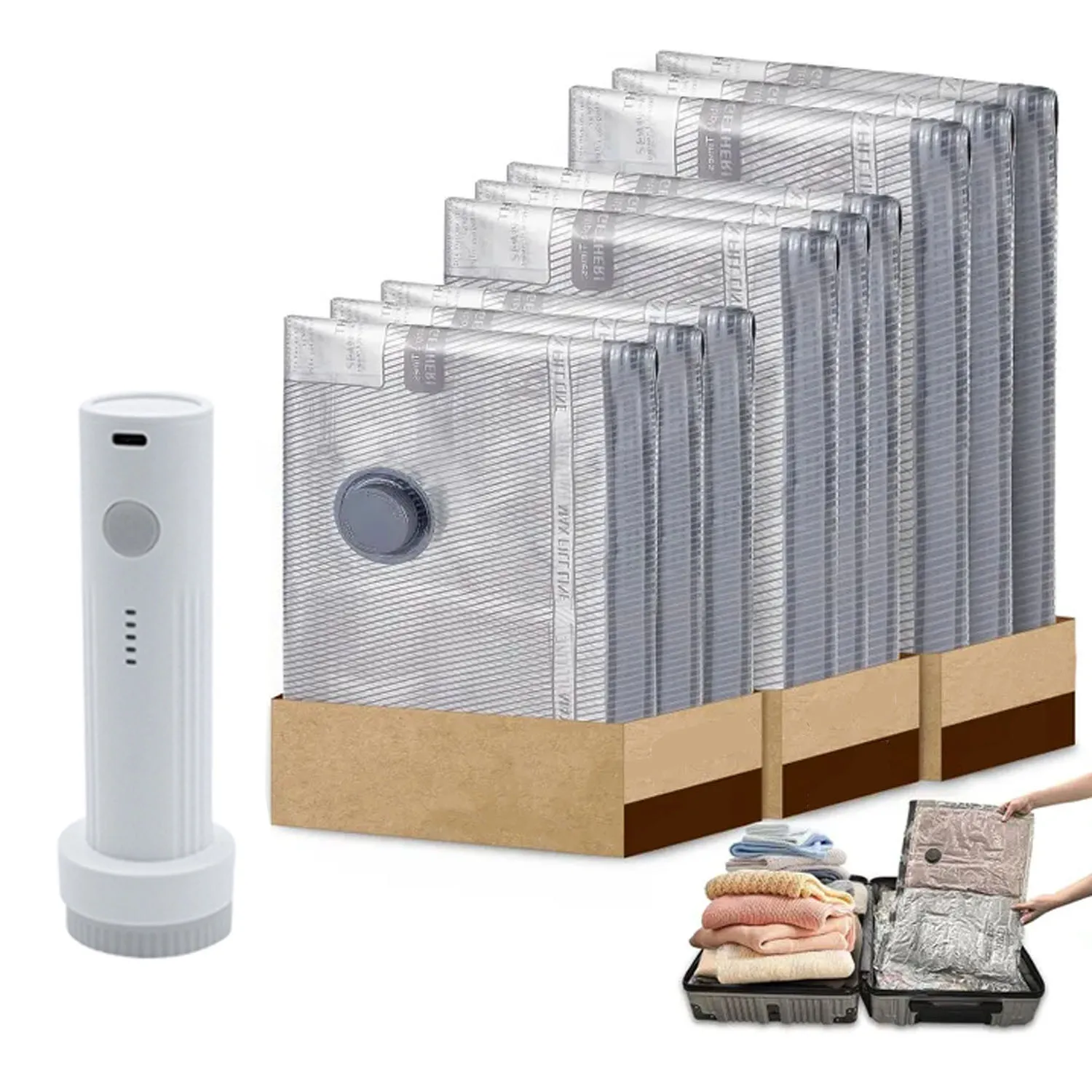
Travel Vacuum Storage Bags with Rechargeable Air Pump Compre
The seller names travel vacuum storage bags with a rechargeable air pump. It suits a traveler who wants the air-extraction tool included and is willing to carry and charge a pump during the trip.
Charging cable, runtime, and valve compatibility are not stated in the title; confirm them. The seller files the item under Home Storage & Organization, so check that the bags suit carry-on travel before buying.
Questions, answered
Do compression packing cubes always need a pump?
No single design covers all compression cubes. Calpak's explainer describes compression cubes with an additional zipper. The selected listings are vacuum bags: one title names a rechargeable air pump, and the other does not name a pump. Ask the seller how air is removed and whether any tool is included before you buy.[5]
Will compression bags wrinkle clothes more than regular cubes?
The available excerpts report no wrinkle results, so no reliable comparison can be made. Pack a small trial load with the clothes you plan to bring. Calpak's explainer says regular cubes help organize clothing, while compression cubes add an extra zipper that presses contents.[5]