High-Arch or Soft 4D Insoles for Long Shifts
Retail and hospitality workers often start reading insole listings after a long shift leaves the heel sore. This guide compares three seller descriptions, gives fit checks to run before wearing a new insert, and explains when a clinician is the better next step than another purchase.
Published Updated
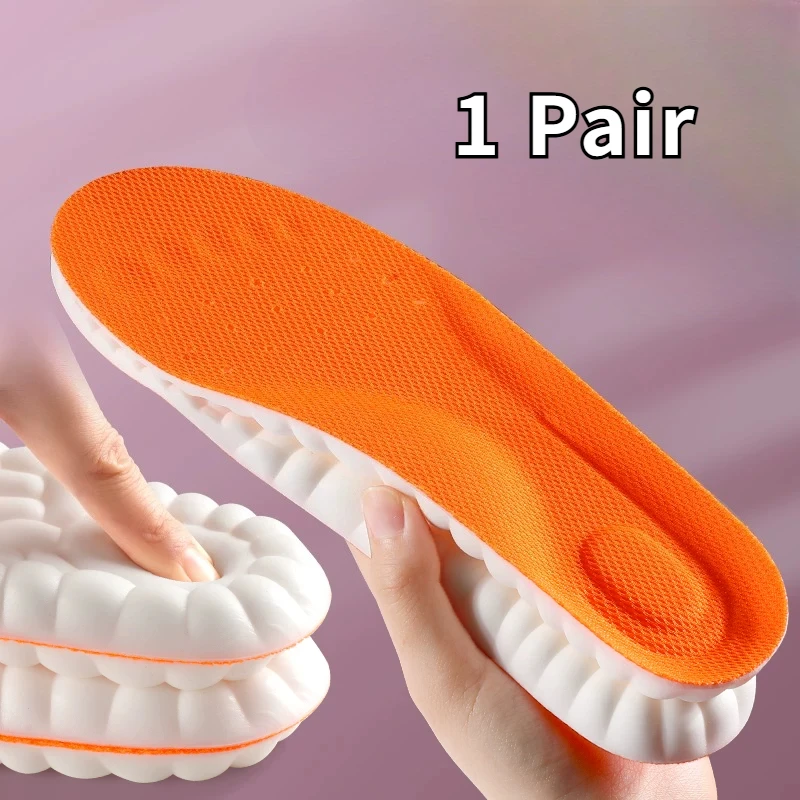
When a long shift leaves the heel sore
If your retail or hospitality shift keeps you standing for long periods, and the first steps out of bed bring a sharp pain near the heel, insole listings start to look like a solution.
Mayo Clinic's symptom excerpt describes plantar fasciitis as sharp, stabbing pain in the bottom of the foot near the heel, often worst with the first few steps in the morning and sometimes triggered by long periods of standing or getting up from sitting. Cleveland Clinic's excerpt describes it as inflammation in the plantar fascia, the ligament from heel to toes, and calls it the most common cause of heel pain. Those excerpts describe symptoms; they do not diagnose your foot.
Mayo Clinic's diagnosis excerpt says a clinician reviews your history and checks for tender spots, and that pain location helps separate plantar fasciitis from other problems. That is why the medical question comes before the shopping question when pain persists.[1][2][3]
What the seller wording can and cannot establish
All three items sit under Shoes and then Shoe Accessories, so they are inserts rather than complete shoes. One seller calls its product a pair of 4D soft insoles with arch support and shock absorption. Another names high arch support, flatfoot use and pressure easing. The third names heel pain relief, flat feet, men and women, and work boots.
Those phrases show what each merchant intends the insert for. The available listing facts do not provide measured thickness, arch height, firmness, trim lines or size fit, so shape and feel are not established here. Ask the seller for those details before you rely on a title.Shop now: 1Pair 4D Soft Plantar Fasciitis Insole Arch Support OrthopedShop now: Orthotic Insole Men High Arch Support Flatfoot Orthopedic In
Fit checks before a full shift
Start with the shoe you already wear. If the factory liner lifts out, ask the seller for the insert's length and width, then compare those numbers with the liner you removed. If the liner is glued in, the shoe may have less depth for an extra layer; check toe room and pressure across the top of the foot before you wear the insert to work.
Try the insert in the shoe at home for a short time. Stop if you feel heel slip, cramped toes, pressure at the arch, or any discomfort. These checks tell you about fit; they cannot tell you whether the insert will ease pain.
Do not assume a work-boot title means the insert will sit flat in a low sneaker, or that a 4D soft title means the insert is thin. The available listing facts do not give those measurements. If the seller cannot answer sizing or return questions, wait.
How to choose an insert, or when to wait
If your shift footwear is a work boot, start with the work-boot listing and check boot volume first. If you want the high-arch support named by one seller, inspect that insert. If you want the insert the seller describes as 4D soft, inspect that one. Each is a preference starting point; none is a demonstrated treatment in the supplied material.
Wait when the seller gives no dimensions and no return terms. If your current shoes already fit well, the listings do not show that an extra insert will improve the fit. When foot pain persists, Harvard Health's excerpt advises seeing a doctor for a proper diagnosis and treatment plan.[4]
Three inserts with different intended uses
These cards are starting points, not a ranking. Each note stays with the seller's own wording and the check to make before buying.Shop now: Plantar Fasciitis Insoles, Orthopedic Arch Support Inserts M
How far this guide can take you
The clinical sources behind this article are search excerpts from Mayo Clinic, Cleveland Clinic and Harvard Health, not full pages. Product detail comes from merchant listing titles, shop names and categories.
This article can help you compare three inserts and prepare questions. It cannot tell you which insert will relieve your pain or replace a diagnosis.[1][2][4]
AliExpress
Related products
1Pair 4D Soft Plantar Fasciitis Insole Arch Support Orthoped
The seller describes this as a pair of 4D soft insoles with arch support and shock absorption. That makes it the listing to inspect if you want a product marketed with those terms.
The title gives no thickness, firmness figure or size guidance, and the plantar fasciitis wording is the merchant's framing. Check fit and returns before a full shift.

Orthotic Insole Men High Arch Support Flatfoot Orthopedic In
The seller names high arch support and flatfoot use, so this is the listing to open if you want an insert marketed for high arches.
The title says men and gives no arch height, sizing or trim detail. An insert marketed for high arches may not suit every foot, so confirm fit and returns.
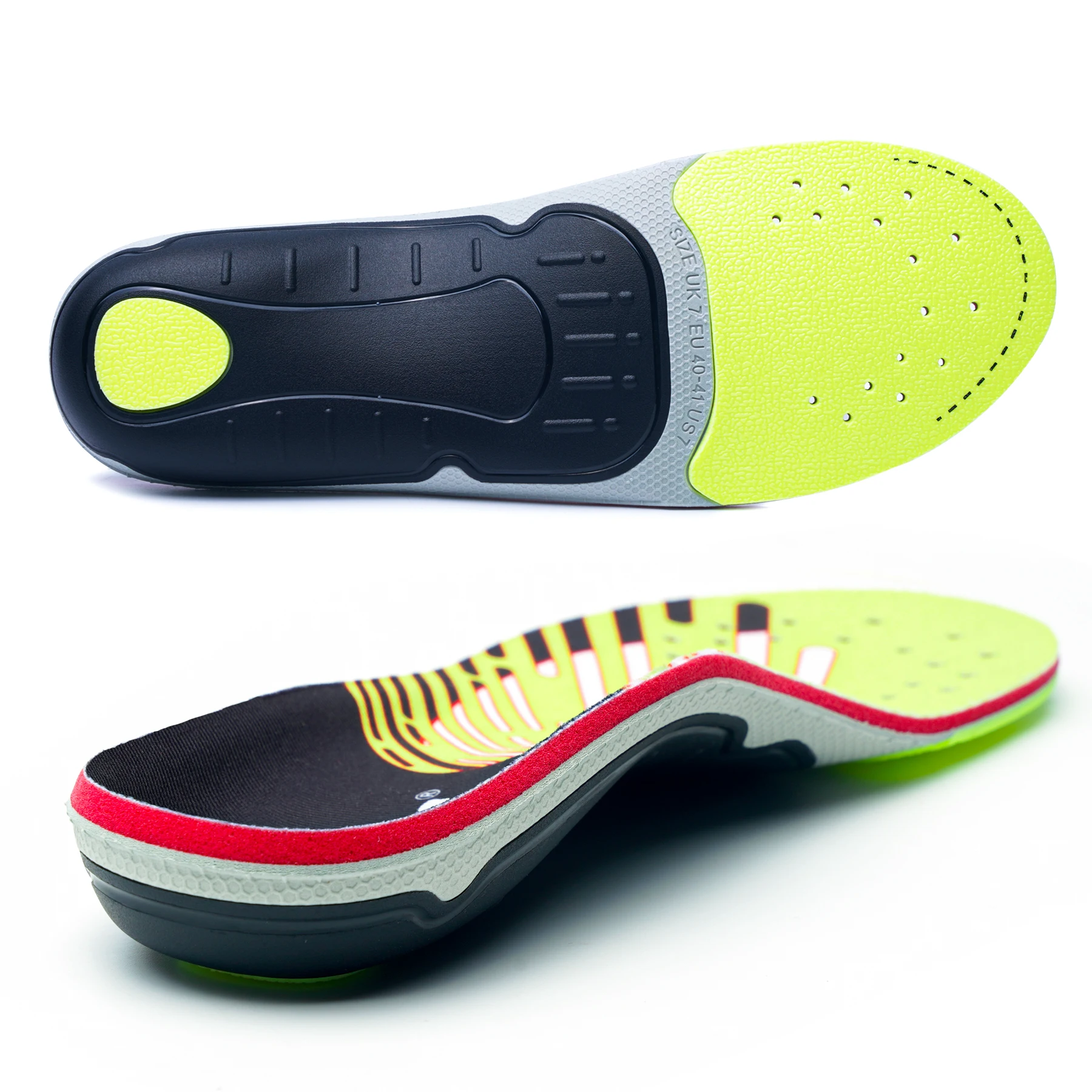
Plantar Fasciitis Insoles, Orthopedic Arch Support Inserts M
The seller names work boots, arch support, heel pain relief and flat feet. Start here if your shift footwear is a boot and you want an insert the seller markets for that setting.
The title gives no thickness or trim lines, and boot volume varies. It names men and women but gives no size chart, so check the seller's fit answers.
Questions, answered
What should I check if my shoe's liner is glued in?
A glued-in liner leaves less room for an extra layer. Ask the seller for the insert's thickness, then test the insert in the shoe at home for a short time. Stop if your toes feel cramped or you feel pressure across the top of your foot, and ask about return terms before a full shift. Even a thin insert may be too much for a tight shoe.
When should persistent heel pain go to a clinician instead of another insert?
Harvard Health's excerpt advises seeing a doctor for persistent foot pain and a treatment plan. Mayo Clinic's diagnosis excerpt says a clinician reviews history and checks tender spots, and that pain location helps separate plantar fasciitis from other problems. Shopping can wait until that question is answered.[3][4]