Choose Winter Layers by Their Job
Build an outfit around the work each layer must do: sit comfortably next to skin, manage moisture during movement, add insulation, or face wind and precipitation. Compare fit and specific construction or protection details instead of treating thickness, “warm,” or “winter” as proof of performance. Three listings offer possible layer-role examples, but important specifications remain unverified.
Published Updated
Start with activity and exposure
A brisk walk, a bicycle ride, and a long wait outdoors put different demands on clothing. Before shopping, think about how much you will move, how long you expect to be outside, and whether wind or precipitation is part of the plan. Those answers help determine whether you need to prioritize comfort during exertion, added insulation, or protection from the weather.
A practical way to plan an outfit is to give each piece a separate role: a base layer against the skin, an insulating layer for added warmth, and an outer layer for weather exposure. Treat this as a shopping framework rather than a promise that the three roles will work equally well in every condition.[1]
Compare fit, moisture, and construction
For a base layer, check the garment measurements and size chart, then consider how it will sit under the clothes you already own. You want room to move without uncomfortable bunching. General thermal-wear guidance identifies stretch and flat seams as details that can support comfort; check the listing rather than assuming a garment has them.
If you expect to be active, look for specific fabric and moisture-handling information. A word such as “breathable” is a useful clue, but it does not tell you the fabric composition or how the piece will feel during your activity. Moisture management, insulation, and a brushed inner surface describe different characteristics, so compare each one separately.
For outerwear, check whether the listing states wind or rain protection and which construction details support those claims. If a listing gives no protection specification, treat that feature as unconfirmed and look for a product that documents what you need.[1]
Do not use thickness as a performance measure
Thickness alone does not tell you whether a garment will suit your activity, fit under another layer, or manage moisture. Compare the stated material, construction, and intended role instead. The available layering guidance treats insulation, moisture management, fit, and wind resistance as separate considerations.
A brushed fleece description may point to a possible active insulating layer, but it does not establish rain protection. Likewise, a warm-sounding jacket title does not give you a temperature range. When an essential detail is missing, keep searching or rely on clothing whose relevant performance you already know.[1]
Match the layers to your day
For a day with sustained movement, start with a base layer that is comfortable against your skin and consider adding a mid-layer for warmth. An outer garment should provide the protection stated for your expected conditions. If you will be standing still for much of the time, you may want more insulation than you would while moving.
A useful comparison method is to write down each garment’s intended role, size information, moisture-related details, insulation description, and any stated wind or rain protection. Compare the entries that match your plans, then check the original listing for any requirement that remains unclear. For the cycling fleece, that means checking its measurements and cut, and finding separate rain protection if your ride may be wet and the listing does not document it.
Buying nothing is reasonable when a necessary fit or protection detail remains unclear. A product title can suggest a garment’s intended role, but it cannot settle those questions.[1]
Three listings to consider by role
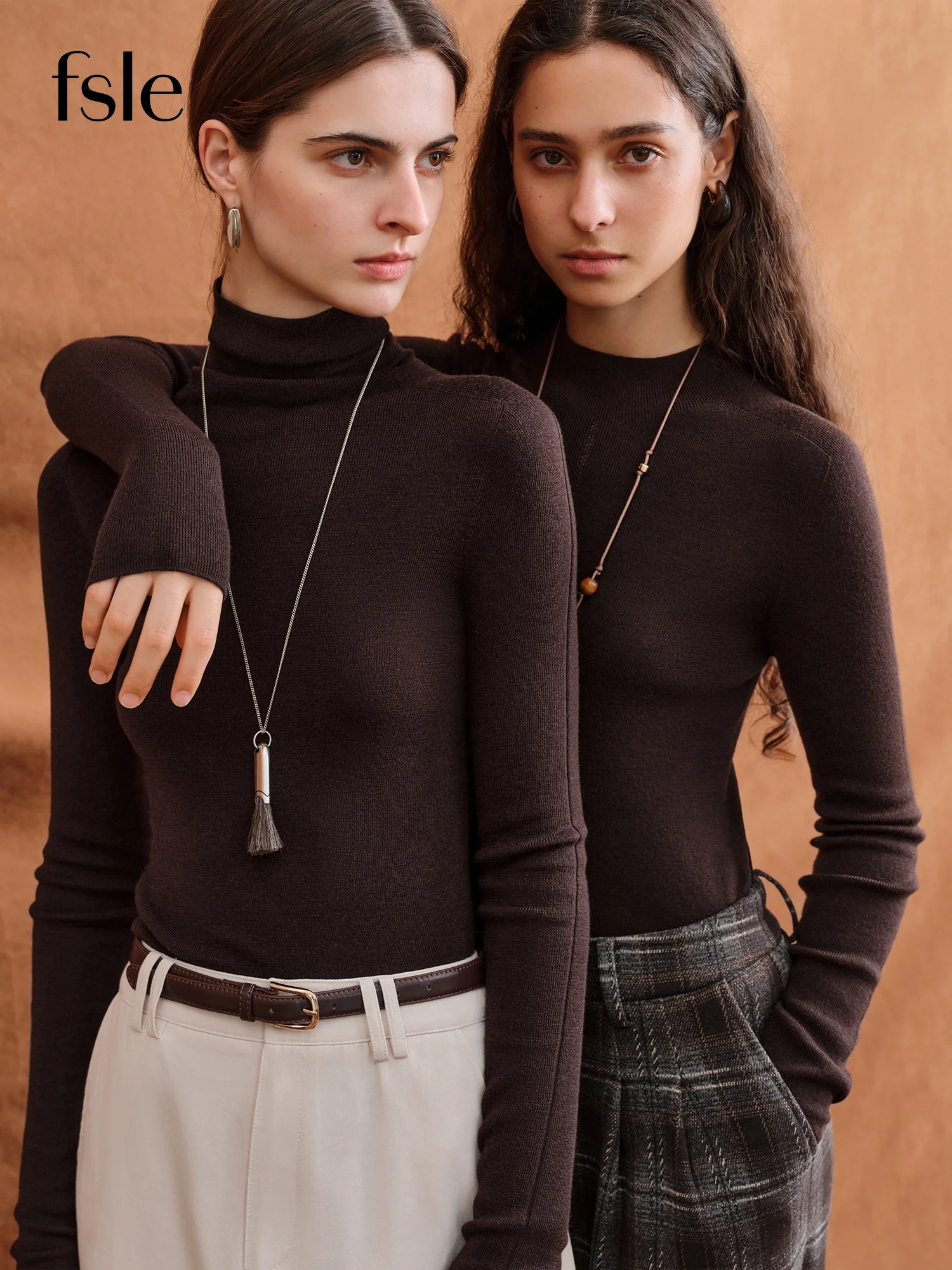
The FSLE listing describes a women’s wool thermal shirt with a mock neck and seamless, one-piece construction. Its title makes it worth checking as a possible base-layer shirt to wear beneath other clothing. The listing title does not state a temperature range, quantified moisture performance, garment measurements, or how the material feels against the skin.
The DAREVIE listing describes a long-sleeve cycling fleece jersey with a brushed surface and calls it breathable. Those title details make it a possible mid-layer or active-use option to investigate, but they do not verify insulation, wind resistance, or rain protection. Check its measurements, cut, and specifications before choosing it for a ride.
The MADEN listing describes a lightweight down jacket with a stand-up collar and uses the word “hydrophobic.” It is a possible jacket to consider over other clothing. The title gives no waterproof rating, fill weight, or garment measurements, so check the current listing before relying on it for wet weather or deciding how it will fit.Shop now: FSLE【Premium Series】German Biella Wool Autumn Super Fine WasShop now: DAREVIE Cycling Jersey Winter Thermal Fleece Cycling Jersey
What the available details cannot establish
The general guidance here comes from a retrieved excerpt rather than a full independent assessment. Product descriptions are supported by listing titles only; they do not verify performance, sizing, temperature range, or weather ratings. Check the current listing for details that matter to your plans, and pass if an essential requirement remains unconfirmed.[1]Shop now: Maden Winter Men's Stand-up Collar Down Jacket Lightweight H
AliExpress
Related products
FSLE【Premium Series】German Biella Wool Autumn Super Fine Was
A possible base-layer shirt to investigate: the listing describes a women’s wool thermal shirt with a mock neck and seamless, one-piece construction.
The title does not establish a temperature range, garment measurements, or quantified moisture performance. Check the size chart and care details, and consider whether the material suits next-to-skin wear.
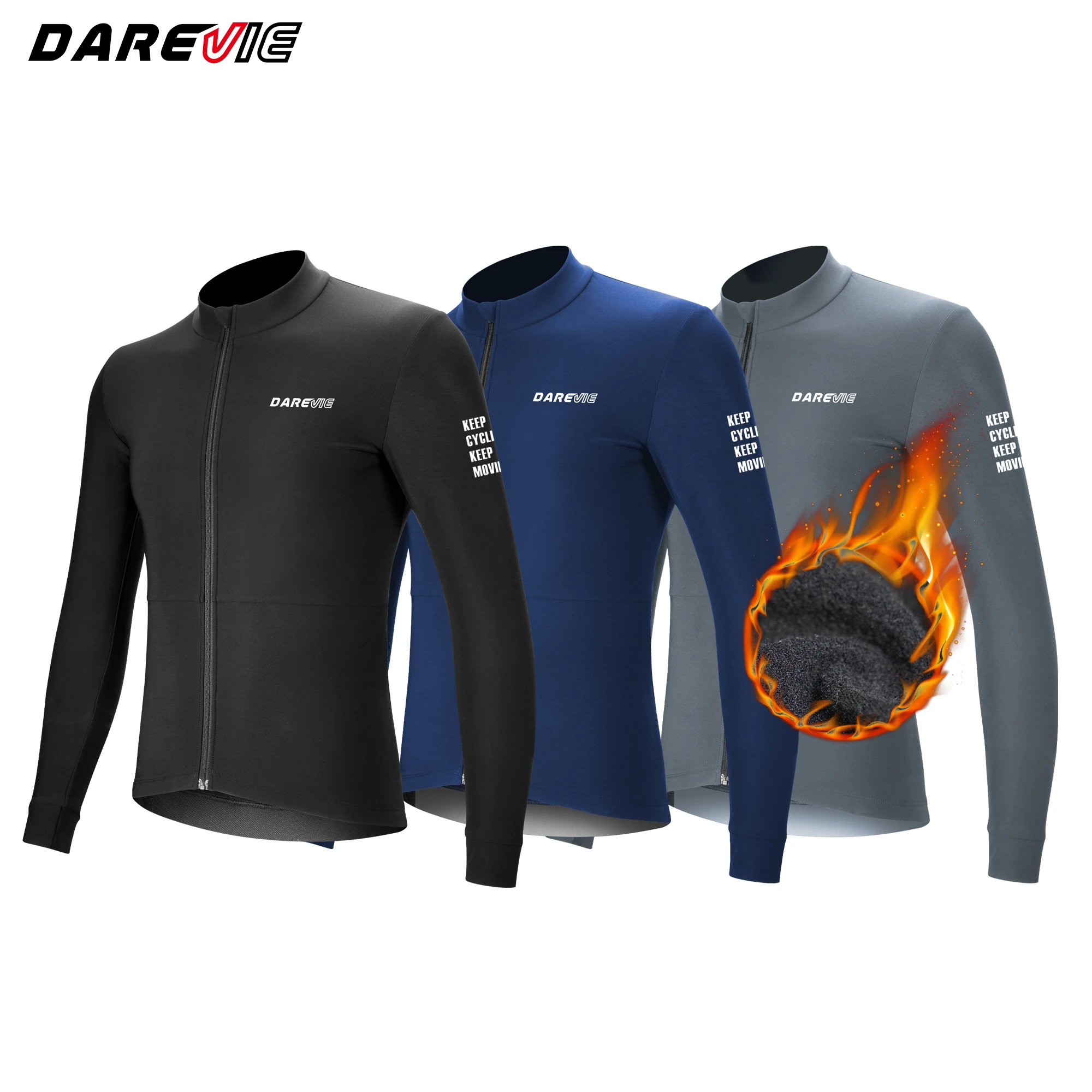
DAREVIE Cycling Jersey Winter Thermal Fleece Cycling Jersey
A cycling-specific fleece to investigate as a possible mid-layer or active-use option: the listing describes a long-sleeve thermal fleece jersey with a brushed surface and calls it breathable.
The title does not verify wind resistance or waterproofing. Check the garment measurements and fit for your layering plan, and choose separately documented weather protection if needed.
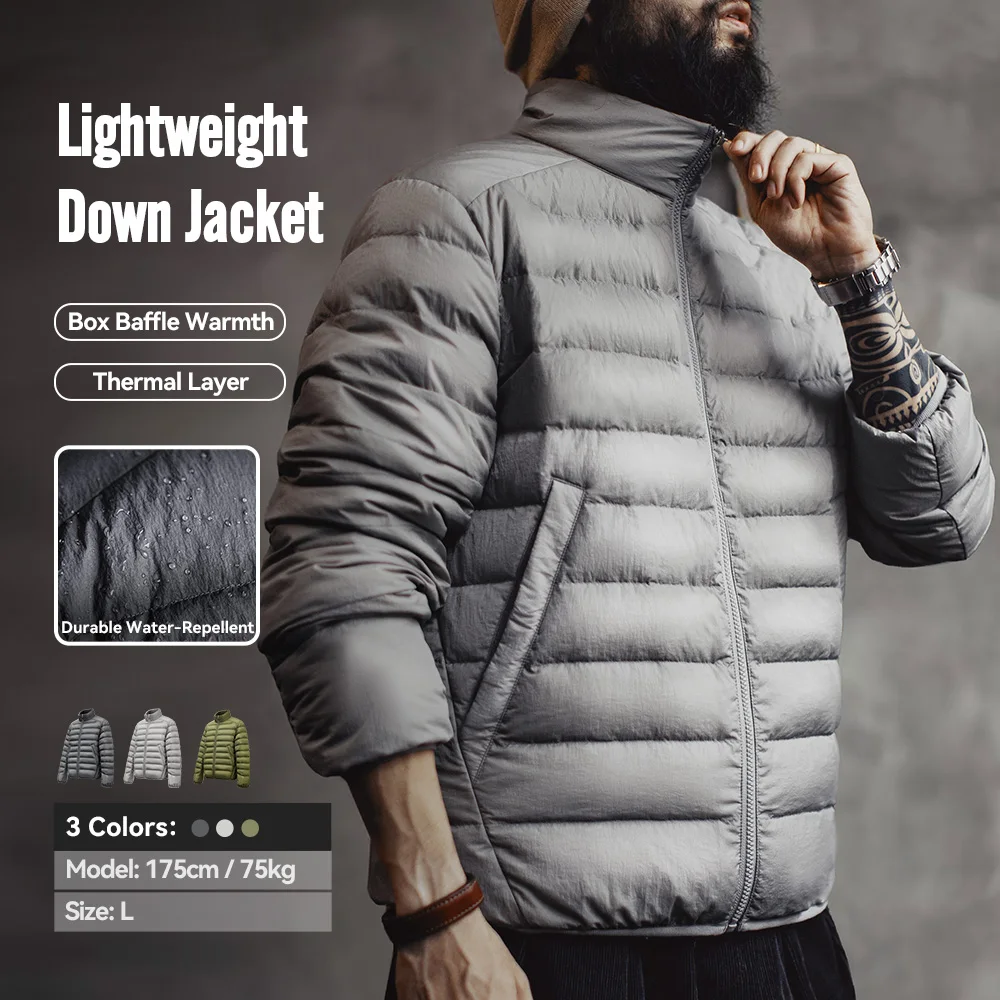
Maden Winter Men's Stand-up Collar Down Jacket Lightweight H
A jacket to consider if you want a lightweight down-filled layer with a stand-up collar to wear over other clothing.
The title uses “hydrophobic” but gives no waterproof rating. It also omits fill weight and garment measurements, so confirm the protection and fit details relevant to your plans.
Questions, answered
How should a base layer fit?
A practical way to check fit is to compare the garment measurements and size chart with the clothes you plan to wear underneath, then allow room for comfortable movement. Stretch and flat seams are comfort-related details worth checking when the listing provides them.[1]
Does a hydrophobic down jacket count as waterproof?
The MADEN title uses “hydrophobic,” but it does not state a waterproof rating. Before depending on the jacket in rain, look for an explicit rating and relevant construction details. If the listing does not provide them, treat its rain protection as unconfirmed.