Choose a Dog Harness and Leash for Real Walks
A “no-pull” label cannot tell you whether equipment suits your dog. Start with the moment pulling happens, then check harness fit and movement, leash comfort, and the connection between them. Two examples address different needs.
Published Updated
Start with the walk you actually have
On a familiar route, notice when your dog pulls. Is it a steady lean, a sudden surge at distractions, or twisting and backing out of the harness? Those are different problems, and a new leash will not fix a harness that shifts. If the harness sits comfortably but the handle bothers your hand, focus on the leash instead.
Set a realistic goal for new equipment. A suitable harness can be part of loose-leash practice, but its label cannot promise that a dog will stop pulling. Guidance on harness choice emphasizes matching the style to the dog’s behavior and the purpose of the walk. Pair equipment with reward-based practice rather than expecting the product to change behavior by itself.[1][2]
Check fit and movement before features
Before choosing a size, measure your dog’s chest and neck using the seller’s sizing instructions. A breed or weight label alone may not show how a particular harness will sit. Once fitted, check the harness under light leash tension and watch your dog’s shoulders from the side. Look for shifting or twisting, rubbing, or movement that appears restricted. Revisit the fit after the first several walks, since the initial fitting is not the last check.
Assess the leash separately. Think about whether its handle is comfortable for an ordinary walk, then check its length and connector against the harness attachment. A step-in design may suit an owner who prefers that way of putting a harness on, but the product description cannot tell you how its shape will fit your dog. Details matter only when they address a need you have observed.[2]
Treat control wording as a claim
Phrases such as “no pull,” “anti-tug,” and “pull-resistant” describe how a seller presents an item. They do not establish that a particular dog will stop pulling. Treat the wording as a prompt to inspect the equipment, then judge the fit and your dog’s response during use.
Avoid replacing both pieces automatically. If the harness fits and allows comfortable movement but the leash handle is uncomfortable, a leash change may address the issue. If the harness shifts while the leash feels fine, a new leash will not solve the fit problem. When escape is a concern, the fitting guidance mentions considering a backup connection. The excerpt does not explain how to set one up, so follow appropriate instructions for the specific equipment.[1][2]
Buy only for the problem you can name
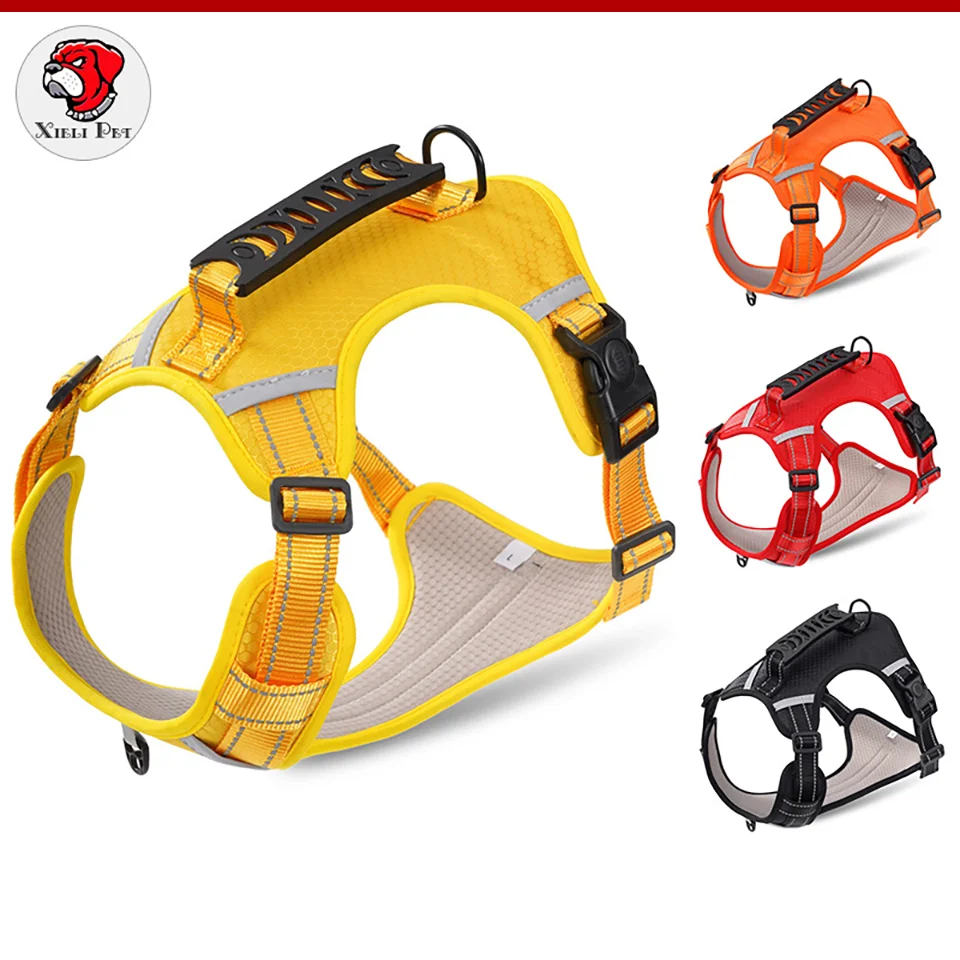
For a harness, put measurements, comfortable shoulder movement, and a secure fit ahead of extra features. Step-in construction, reflective detail, a grab handle, or a safety-lock buckle may be worth considering if those features suit your routine. For a leash, consider handle feel and rope construction only if they match a real handling preference; verify its connector and length before purchase.
The examples below are different parts of a walking setup, not competing products or a confirmed matching set. Consider one, both, or neither according to what your current gear lacks.[2]
Two examples for different needs
A reflective step-in harness with a padded grab handle and safety-lock buckle may merit a look if you want those specific features and prefer step-in construction. The listing calls the vest adjustable but does not specify which part adjusts. Its description cannot establish fit or prove that it will reduce pulling.
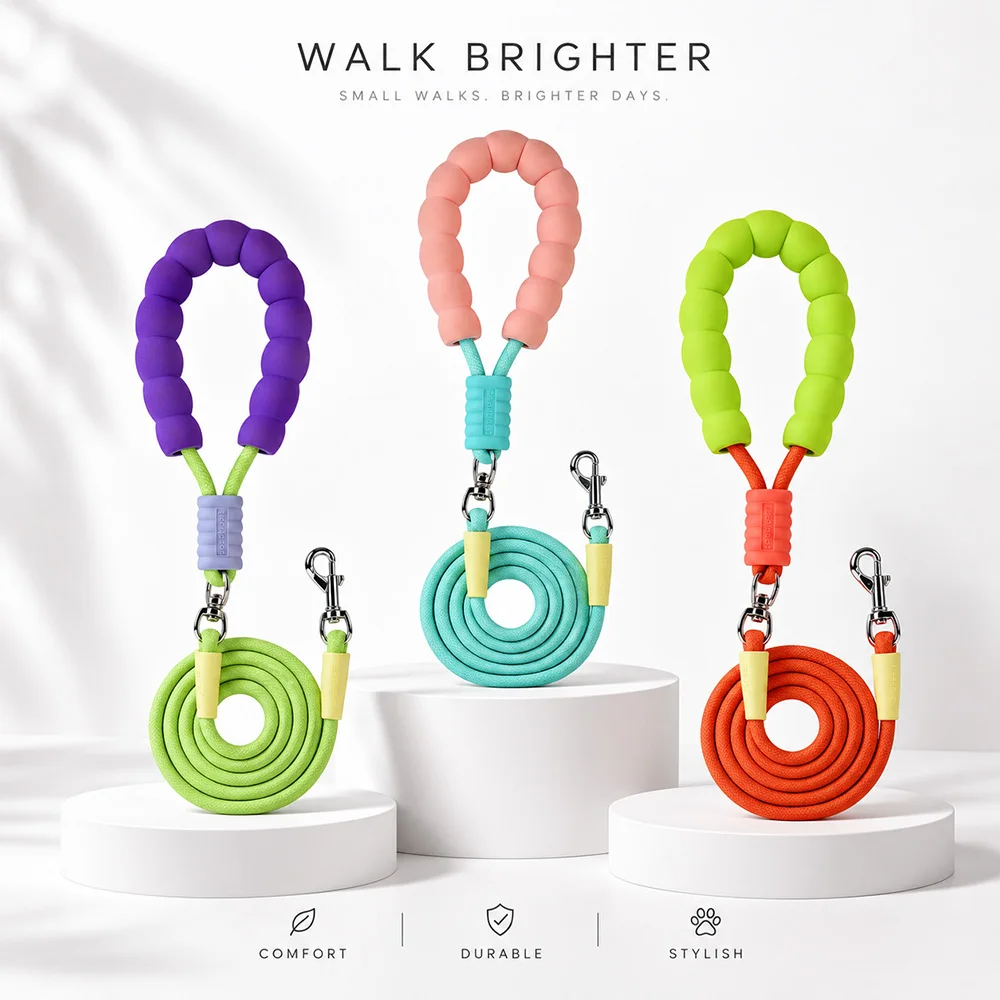
A braided-rope leash with a soft sponge handle may suit someone whose main concern is grip comfort. The seller also calls it pull-resistant, but that wording is not evidence of an effect on pulling. Check its current length and connector against your harness before considering it; the listings do not confirm these two products are compatible.Shop now: Breathable No Pull Reflective Dog Harness, Adjustable Step-iShop now: Soft Sponge Handle Dog Leash, High-Density Braided Round Rop
What the available evidence can establish
The fitting and behavior guidance here comes from short excerpts, not a complete fitting manual, controlled product test, or full training program. Product descriptions support the features named in their listings; they do not establish comparative effectiveness, durability, a fit for every dog, or compatibility between these examples. Check the seller’s current sizing details and assess fit on your dog. If your existing setup already works, buying nothing may be wiser.[2][1]
AliExpress
Related products
Breathable No Pull Reflective Dog Harness, Adjustable Step-i
Consider this step-in harness if that way of dressing your dog suits your routine and you want to assess its listed reflective detail, padded grab handle, and safety-lock buckle.
The listing does not specify which part is adjustable or establish fit, durability, or pulling control. Check current sizing guidance and observe your dog’s movement after fitting.
Soft Sponge Handle Dog Leash, High-Density Braided Round Rop
Consider this braided-rope leash if handle feel is your main concern and a soft sponge grip appeals to you.
“Pull-resistant” is the seller’s wording, not a demonstrated result. Confirm that the current length and connector suit your harness.
Questions, answered
When should I check a new harness fit again?
Recheck after the first several walks. Look at the harness under light leash tension and watch shoulder movement from the side. If it shifts, twists, or rubs, review the fit and the seller’s current instructions before relying on it.[2]
Will a no-pull harness stop pulling on its own?
There is no guarantee. Harness guidance treats equipment as one part of the process and recommends matching it to the dog’s behavior and fit. Pair suitable gear with reward-based practice rather than relying on a product label to change the walk.[1][2]
Can I assume the example leash fits the example harness?
No. Their descriptions do not establish compatibility. Check the leash connector and length against the harness attachment and the needs of your walk before buying.